
Most event managers post when they remember to. A few photos here, a recap there, and then on to the next event. But the organizers consistently filling seats and winning repeat clients? They're working a three-phase strategy that treats every event like a content machine.
Here's how to build one.
Phase 1: Before the Event, Build Anticipation
Your promotional window is your longest runway, so use it intentionally.
- Start with a content calendar, not a content scramble. Map out posts from announcement day through event day. Aim for at least three to five touchpoints per week on your primary platform.
- Lead with "what's in it for them." Every post should answer the audience's unspoken question: why should I care? Highlight speakers, unique experiences, food and entertainment, or exclusive access, whatever makes attendance feel like a no-brainer.
- Use countdowns strategically. Countdown stickers on Instagram Stories create urgency without feeling pushy. Start a seven-day countdown the week before and post daily.
- Tag every vendor, venue, and partner. This extends your organic reach instantly. When vendors reshare your content, you're in front of their audience for free.
- Create a dedicated event hashtag. Keep it short, specific, and unique. Include it in every post and encourage registrants to use it when they share.
Phase 2: During the Event, Capture in Real Time
Live coverage drives FOMO and signals credibility to future clients scrolling your feed.
- Designate a content capturer. Don't leave this to chance, assign one person (or yourself) whose only job during key moments is capturing photo and video content.
- Prioritize vertical video. Reels and TikToks consistently outperform static posts for reach. Grab 15 to 30 second clips of crowd energy, speakers in action, and behind-the-scenes setup.
- Post Stories in real time, save the polished Reels for later. Stories keep the current audience engaged and create FOMO for followers who aren't there. Save your best video for a polished Reel you post within 24 hours.
- Capture testimonials on the spot. Ask two or three happy attendees if you can grab a quick 10-second video of their reaction. These become gold for future event promotion.
Phase 3: After the Event, Turn the Recap into a Revenue Tool
This is where most event managers leave money on the table. The event is over, but the content lifecycle isn't.
- Post a recap within 48 hours. Attention fades fast. A highlight reel, a thank-you post, or a "best moments" carousel keeps the event alive in the algorithm and in your audience's memory.
- Repurpose content across platforms. That recap video becomes a YouTube Short, a LinkedIn post, and a GIF for your email newsletter. One piece of content, multiple placements.
- Share results (without oversharing). "We welcomed 400+ guests to last weekend's event" is a credibility statement. Post it. Prospective clients are watching your feed to evaluate whether you're worth hiring.
- Engage with every tag and mention. Comment, reshare, and respond for at least 48 to 72 hours post-event. Engagement signals boost reach and show future clients you're attentive.
- Archive your best content in a highlights folder. Instagram Highlights, a saved Google Drive folder, or a simple camera roll album dedicated to event content will make your next proposal or pitch deck infinitely easier to build.
The Bottom Line
Social media for local events isn't about going viral, it's about building a visible, consistent track record that makes hiring you feel like the obvious choice. Work the three phases, stay consistent, and your feed becomes your best sales tool.
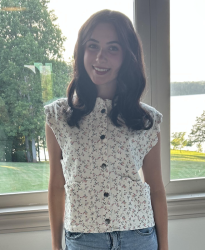
My name is Ava Cook and I am a Freshman at Florida Southern College in Lakeland FL. I am currently a B.F.A musical theatre major with a minor in Business Administration. I love reading, singing, acting, dancing, and writing. My favorite part about Vero Beach and Indian River County as a whole is how close the community is. Vero Vine is important to me as it allows me to do my part it bringing the community together also, sharing events, small businesses, and other local happenings. If you have any questions or any recommendations for me, my email is always open [email protected].
- Vero Vine's Photo Contests Are Making a Comeback - October 16, 2026
- How to Add Your Event to Vero Vine, Automagically - October 8, 2026
- Dog-Friendly Parks in Indian River County - October 1, 2026