
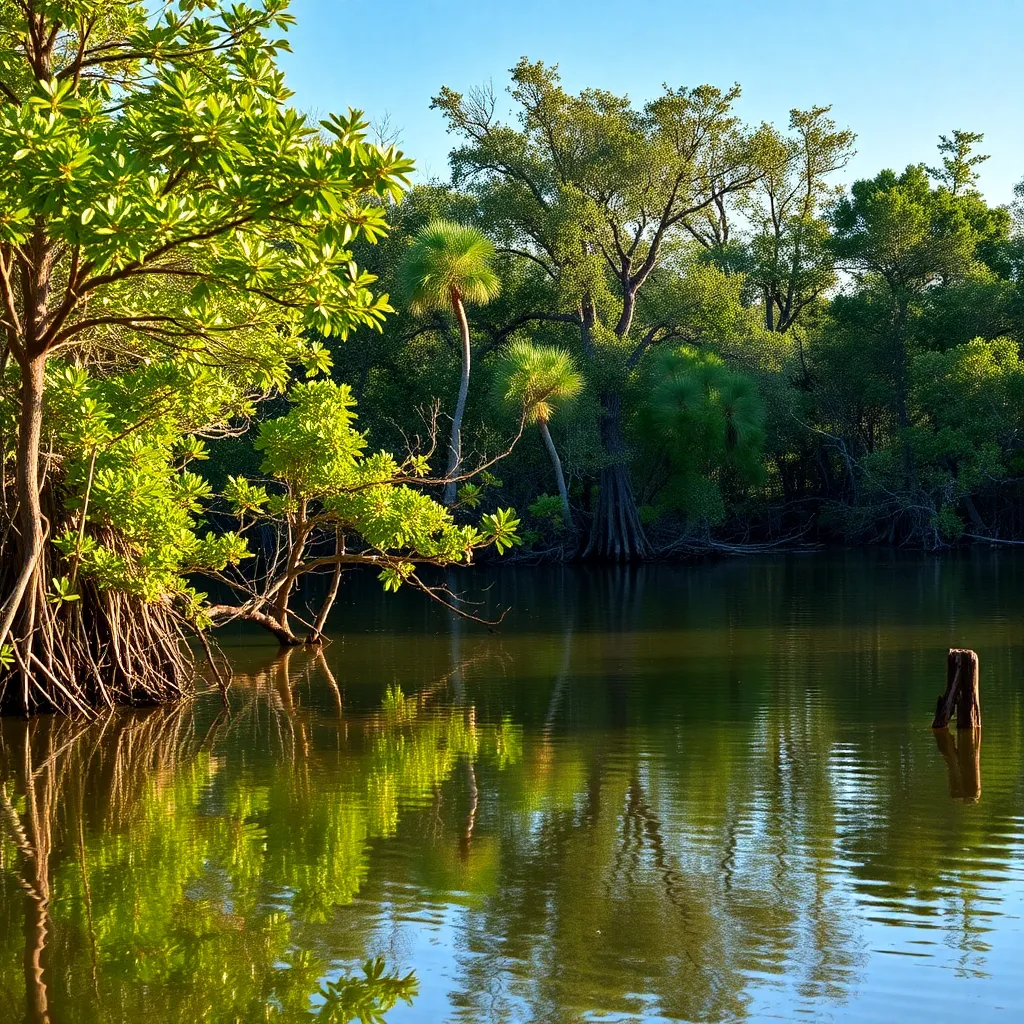
A Win for the Lagoon: John's Island's Innovative Irrigation Solution
The Indian River Lagoon is a vital part of our Vero Beach community, a beautiful and ecologically significant estuary. Protecting its health is a top priority, and recent efforts by John's Island to utilize relief canal water for irrigation are making a real difference. This innovative approach not only conserves precious freshwater resources but also significantly reduces harmful nitrogen runoff into the lagoon.
The Challenge: Nitrogen and the BMAP
Excess nitrogen is a major pollutant in the Indian River Lagoon. It fuels algal blooms that deplete oxygen, harm seagrass, and negatively impact marine life. The state of Florida has implemented Basin Management Action Plans (BMAPs) to reduce nitrogen loading in impaired water bodies, including the Indian River Lagoon. These plans set specific targets for nitrogen reduction, and local communities and businesses are working hard to meet them.
Understanding BMAP Requirements
BMAP requirements can be complex, often involving costly upgrades to irrigation systems and changes in fertilizer management practices. For communities like John's Island, finding sustainable and cost-effective solutions to meet these requirements is crucial.
The Solution: Relief Canal Water for Irrigation
John's Island has partnered with local authorities and water management districts to utilize water from the relief canals that drain into the Indian River Lagoon. This water, which would otherwise flow directly into the lagoon, is now being used for irrigation on the community's golf courses and landscaping.
How It Works
The relief canal water is diverted and treated before being used for irrigation. This treatment process removes excess nutrients and other pollutants, ensuring that the water is safe for irrigation and does not harm the environment. This approach achieves several key benefits:
- Reduces Nitrogen Runoff: By using relief canal water instead of traditional sources, John's Island significantly reduces the amount of nitrogen entering the lagoon.
- Conserves Freshwater: Utilizing canal water reduces the demand for freshwater resources, helping to preserve our region's water supply.
- Meets BMAP Requirements: The project helps John's Island meet its BMAP requirements in a sustainable and cost-effective manner.
The Benefits for Vero Beach and the Lagoon
The positive impact of John's Island's irrigation solution extends far beyond the community itself. By reducing nitrogen runoff, the project helps to improve the overall health of the Indian River Lagoon, benefiting all who live in and enjoy the Treasure Coast. Specifically, this initiative contributes to:
- Healthier Seagrass Beds: Reduced nitrogen levels allow seagrass beds to thrive, providing critical habitat for marine life.
- Improved Water Quality: Clearer water and reduced algal blooms enhance the aesthetic appeal of the lagoon and improve recreational opportunities.
- A Thriving Ecosystem: A healthier lagoon supports a diverse range of fish, birds, and other wildlife, contributing to a vibrant ecosystem.
A Model for Sustainable Irrigation
John's Island's innovative irrigation solution serves as a model for other communities and businesses in Vero Beach and beyond. By demonstrating the feasibility and effectiveness of using relief canal water for irrigation, they are paving the way for a more sustainable future for the Indian River Lagoon.
What You Can Do
While large-scale projects like the one at John's Island have a significant impact, individual actions can also contribute to protecting the Indian River Lagoon. Here are a few things you can do:
- Use Fertilizer Responsibly: Follow fertilizer application guidelines carefully and avoid over-fertilizing your lawn. Consider using slow-release fertilizers.
- Maintain Your Septic System: Ensure your septic system is properly maintained to prevent leaks that can contaminate groundwater and surface water.
- Conserve Water: Reduce your water consumption to minimize the demand on our region's water resources.
- Support Local Conservation Efforts: Donate to or volunteer with local organizations working to protect the Indian River Lagoon.
Looking Ahead: A Brighter Future for the Lagoon
The success of John's Island's irrigation project demonstrates the power of collaboration and innovation in addressing environmental challenges. By working together, we can protect the Indian River Lagoon for future generations. Let's support similar initiatives and continue to seek out sustainable solutions that benefit our community and our environment. The future of the Indian River Lagoon depends on it!

My name is Ava Cook and I am a Freshman at Florida Southern College in Lakeland FL. I am currently a B.F.A musical theatre major with a minor in Business Administration. I love reading, singing, acting, dancing, and writing. My favorite part about Vero Beach and Indian River County as a whole is how close the community is. Vero Vine is important to me as it allows me to do my part it bringing the community together also, sharing events, small businesses, and other local happenings. If you have any questions or any recommendations for me, my email is always open [email protected].
- Vero Vine's Photo Contests Are Making a Comeback - October 16, 2026
- How to Add Your Event to Vero Vine, Automagically - October 8, 2026
- Dog-Friendly Parks in Indian River County - October 1, 2026