

There's a quiet shift happening in offices, event venues, and business operations across the country. It doesn't look like a revolution, it looks like a manager opening a new tab, typing a question, and getting back in an hour what used to take three days.

Artificial intelligence isn't coming for your job. But it is rewriting what a great manager looks like, and the ones who embrace that are pulling away from the pack.
The productivity gap is already opening
Right now, two types of managers are sitting in the same meetings, running the same teams, and facing the same deadlines. One is doing everything the way it's always been done. The other is using AI to draft communications, analyze data, brainstorm strategies, build agendas, and clear the mental clutter that eats up a manager's best hours.
Six months from now, the difference in output between those two people will be striking. A year from now, it will be undeniable.
The good news? You get to choose which one you are.
AI doesn't replace your judgment, it amplifies it
The fear that AI will make managers obsolete misunderstands what management actually is. Your value isn't in writing the first draft of a meeting recap. It isn't in pulling together a project timeline from scratch or formatting a post-event report at midnight.
Your value is in reading the room. Building trust with your team. Making the call when the data doesn't give you a clean answer. Knowing when to push and when to pull back.
AI handles the scaffolding. You handle the architecture.
When you offload the repetitive cognitive work, the summarizing, the scheduling, the first-pass writing, you get back something priceless: mental space. And that's where your best leadership actually happens.
Start smaller than you think you need to
The managers making the most meaningful progress with AI aren't the ones who overhauled their entire operation overnight. They picked one friction point, maybe it was recapping weekly meetings, or drafting client follow-ups, or pulling together content ideas, and they let AI take a first swing at it.
Then they refined. Then they trusted it a little more. Then they found the next friction point.
That compounding effect is where the real productivity gains live. Not in one dramatic transformation, but in dozens of small, quiet upgrades to how a day actually flows.
The forward-looking manager isn't more technical, they're more curious
You don't need to understand how these tools are built. You need to be willing to ask them a question you've never asked before and see what comes back.
The managers who will define the next decade of leadership aren't necessarily the most experienced or the most credentialed. They're the ones willing to stay curious in a moment that rewards it.
The tools are ready. The only question is whether you are.
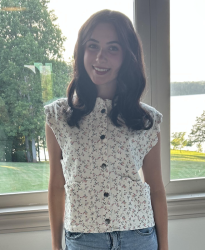
My name is Ava Cook and I am a Freshman at Florida Southern College in Lakeland FL. I am currently a B.F.A musical theatre major with a minor in Business Administration. I love reading, singing, acting, dancing, and writing. My favorite part about Vero Beach and Indian River County as a whole is how close the community is. Vero Vine is important to me as it allows me to do my part it bringing the community together also, sharing events, small businesses, and other local happenings. If you have any questions or any recommendations for me, my email is always open [email protected].
- Vero Vine's Photo Contests Are Making a Comeback - October 16, 2026
- How to Add Your Event to Vero Vine, Automagically - October 8, 2026
- Dog-Friendly Parks in Indian River County - October 1, 2026