
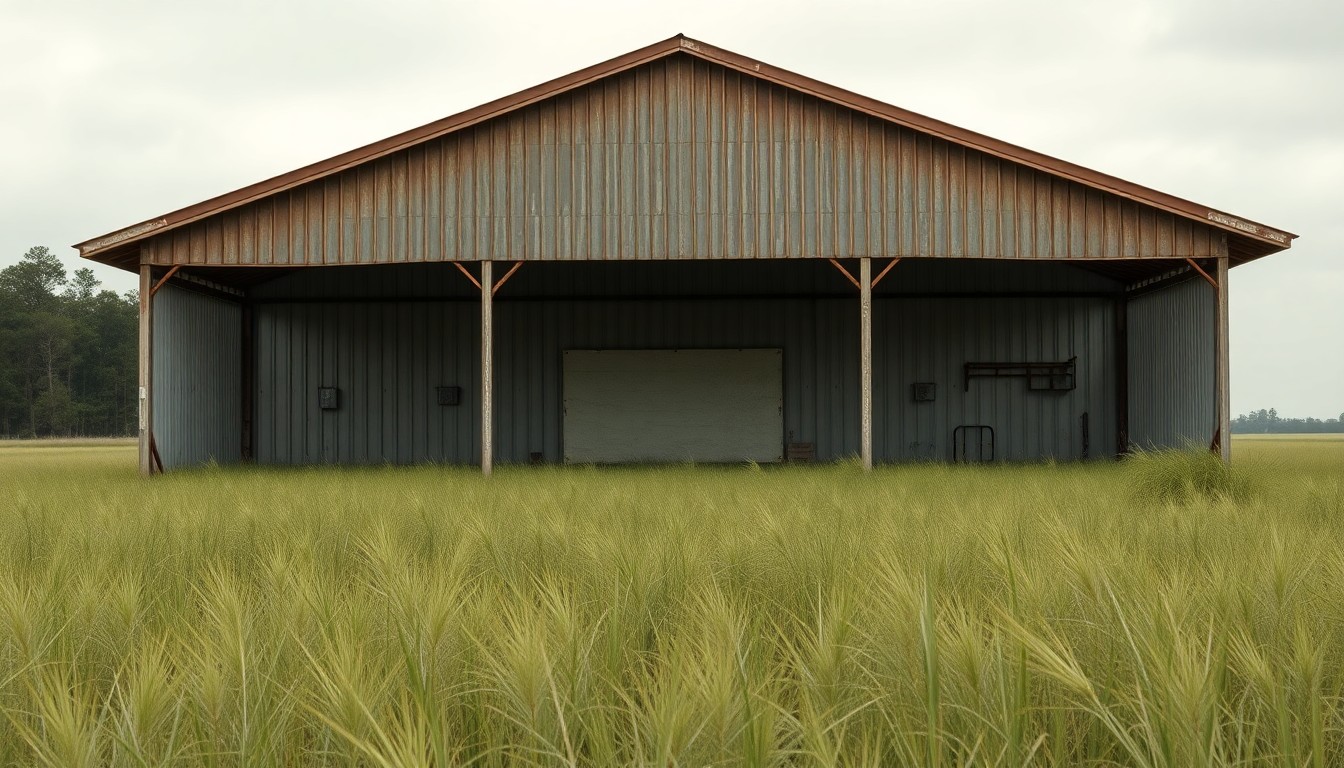
Drive Route 1 north out of Vero Beach on a quiet morning and you'll pass them: long, low buildings with rusted signs, empty loading docks, parking lots swallowed by weeds. Hale Groves. Quality Fruit Packers. Graves Brothers. Once, these were the beating heart of a hundred-million-dollar industry that made this stretch of Florida coastline famous on grocery shelves from Tokyo to Toronto. Today, most of them sit silent, turned into a Waste Management garage, a food bank, a future Wawa.
Something killed Indian River citrus. Not overnight. Not from one cause. And for two decades, almost nobody could stop it. To understand why it happened, why it took so long to fight back, and why new groves are finally going into the ground west of town, you have to start more than a century before anyone here had ever heard the words "citrus greening."
A Fruit Born of Sand and Salt
Citrus first touched Florida soil somewhere around 1513, when the Spanish explorer Ponce de Leon is believed to have carried orange seeds ashore near what became St. Augustine. Groves crept south over the following centuries, but the fruit that would make this particular stretch of coastline legendary took root on Merritt Island in the early 1800s, in a grove planted by a sea captain named Douglas Dummett. When a brutal freeze hit Florida in 1835 and wiped out citrus across much of the state, Dummett's grove survived, and cuttings from his trees became the genetic ancestor of much of Florida's modern citrus.
By the early 1900s, settlers were carving groves out of the scrub along the Indian River Lagoon, drawn by a strange advantage baked into the land itself: a shallow limestone formation called Anastasia rock, sitting beneath sandy soil and within reach of ocean breezes. That combination pulled minerals into the root systems and produced fruit with a balance of sweetness and acid that growers elsewhere couldn't replicate. By the 1920s, other Florida growers were already trying to borrow the name, slapping "Indian River" on fruit grown nowhere near it. The imitation got so bad that in the 1930s and '40s, state and federal officials had to legally define the Indian River Citrus District and go after the imposters.
Indian River County itself was carved out of St. Lucie County in May 1925, with Vero as its new county seat. The families who built the industry in the decades that followed became local royalty: Waldo Sexton, who helped shape citrus, dairy, and real estate here starting in 1914 and later built the Driftwood Inn; the Graves brothers, who bought 32,000 acres in 1919 and built a packinghouse in Wabasso; the Rogers family, who planted their first grove in 1928; Thomas Peebles, who started planting in the 1940s in what became Hyatt Fruit Company, later run by his son-in-law and grandson. By the 1920s, Indian River and neighboring St. Lucie County had become the largest grapefruit-producing region in the world.
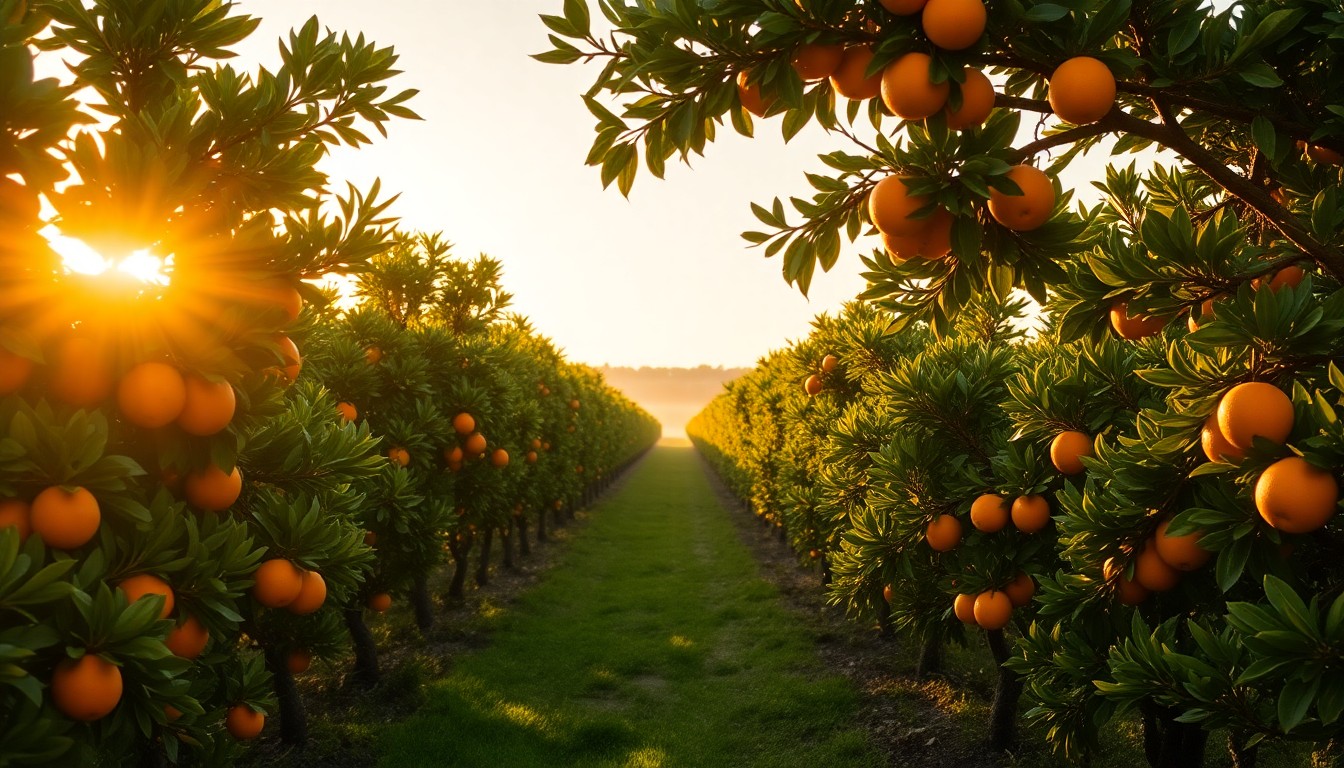
At its peak in 1998, the county held roughly 66,000 acres of producing groves and supported twenty separate packinghouses. The scent of orange blossom hung over Vero Beach every spring. It seemed permanent.
What Actually Killed It
Nothing single-handedly ended Indian River citrus. It was worn down in stages, like a wall taking one blow after another until it finally gave out.
Freezes came first. The industry had always lived with them, dating back to the catastrophic winter of 1894-95 and repeating through the hard freezes of 1983, 1985, and 1989. Citrus canker followed, a bacterial disease that scarred fruit but, importantly, didn't kill the trees or ruin the juice.
Then, in 2005, came the blow nobody could out-plant, out-freeze, or out-wait: citrus greening, formally called Huanglongbing, or HLB. The disease is carried by a flea-sized insect, the Asian citrus psyllid, which is believed to have first reached South Florida near the Port of Miami around 1998. The bacteria it spreads chokes a tree's vascular system slowly, from the inside. A tree can look healthy for three to five years before the leaves start yellowing, the fruit turns bitter and misshapen, and the canopy thins out. By the time you can see it, it is too late. There is still no cure. Within a decade, greening wiped out roughly 75 percent of Florida's orange production and 85 percent of its grapefruit production.
The storms did the rest. The industry had always weathered hurricanes, but the ones that came after 2004 hit trees already weakened by disease. Frances and Jeanne battered the Treasure Coast in 2004 and helped spread canker through the groves. Irma cost Florida citrus an estimated 760 million dollars in 2017. Ian flattened fruit across the state in 2022, and Milton followed in 2024, helping push the Florida orange crop down to roughly 12 million boxes, one of the smallest harvests in a century. Each storm knocked fruit to the ground, broke trees, and handed another grower a reason to sell instead of replant.
Here's the part that explains why Indian River citrus didn't simply bounce back the way it had after every previous disaster: greening arrived at the same moment land was becoming worth more as real estate than as agriculture. Pulling out a sick, unproductive grove and selling the land was often the more rational business decision than fighting a disease with no cure. Packinghouses, which need a certain volume of fruit to stay open, began closing one by one, from twenty in the county in 1998 down to eight, then six, then a mere handful. Statewide, Florida's citrus processing capacity collapsed even faster than the groves did, falling from 53 juice and concentrate plants in 1977 to a small fraction of that today. Once that packing and processing infrastructure disappears from a region, planting new trees stops being a simple decision. Even if the disease itself weren't a problem, there's no longer anywhere nearby to sell the fruit. It became a trap: no fruit, no packinghouses; no packinghouses, no reason to replant.
There was also less reason to fight. Americans had been drinking less orange juice for years, with consumption per person cut by more than half since the late 1990s, and grapefruit carried a problem all its own: doctors now warn patients on common cholesterol drugs to stay away from it, because it changes how the body absorbs those medicines. Today most of the orange juice sold in the United States is pressed from Brazilian and Mexican fruit. A grower deciding whether to replant was betting on a shrinking market as much as a healthier tree.
By the numbers, the collapse is staggering. Statewide, Florida orange production peaked at roughly 242 million boxes in the 2003-2004 season. Twenty years later, the crop had shrunk to around 11 to 12 million boxes, a decline of more than 95 percent, and the smallest Florida harvest in more than a century. In Indian River County specifically, producing acreage fell from about 66,000 acres at its height to somewhere around 15,000 to 20,000 acres, depending on the year measured, with tens of thousands of acres of abandoned grove land sitting behind it.
Behind the numbers were people. At its height the Florida harvest depended on 40,000 to 45,000 field workers, and every packinghouse that went dark was a year-round payroll of graders, packers, and drivers, not just a building left to rust along U.S. 1. Much of the picking that survives today is done by seasonal guest workers brought in on H-2A visas, a quieter change in who does the work that came with the collapse.
The Families Who Stayed
Not everyone walked away. A handful of names kept the industry breathing through its worst years, largely because they were willing to treat citrus as a multi-generational commitment rather than a quarterly return.
The Sallin family, who started their business in the 1970s under Michel and Veronique Sallin, still runs IMG Citrus today, now led in part by their children. Dan Richey runs Riverfront Packing on U.S. 1, one of the last packinghouses standing, working in partnership with the Smith family of St. Lucie County, who still farm roughly 3,500 acres of grapefruit. The Greene family has kept groves and cattle operations going together, a diversification strategy that dates back generations in the county. The Banack family still sells fruit under the Countryside Citrus name, from a farm store west of town and a shop on Ocean Drive. Wesley Davis, now the county's property appraiser, grew up on a family grove that once ran 300 acres of grapefruit. These are the names still showing up at industry meetings, still replanting a few acres at a time, betting that the worst has already happened.
Why It's Starting to Come Back Now, and Why West
The tools that make a comeback possible didn't exist for most of the last twenty years, and the most important one is not glamorous. Growers now inject their trees with oxytetracycline, an antibiotic that does not cure greening but keeps infected trees productive enough to be worth harvesting, and it is used across most of Florida's remaining acreage. Alongside it, researchers have bred new rootstocks, the root portion of a grafted tree, to help trees tolerate the disease. The University of Florida's Indian River Research and Education Center has run large-scale trials for years, and in 2026 the EPA cleared a gene-edited rootstock called CarriCea T1. It's worth being precise about what it does: it helps a young tree limit infection, but the fruiting top grafted onto it is still vulnerable, and a newly planted tree takes years to bear. It is a long-term bet, not a cure, and it does nothing for the groves dying right now.
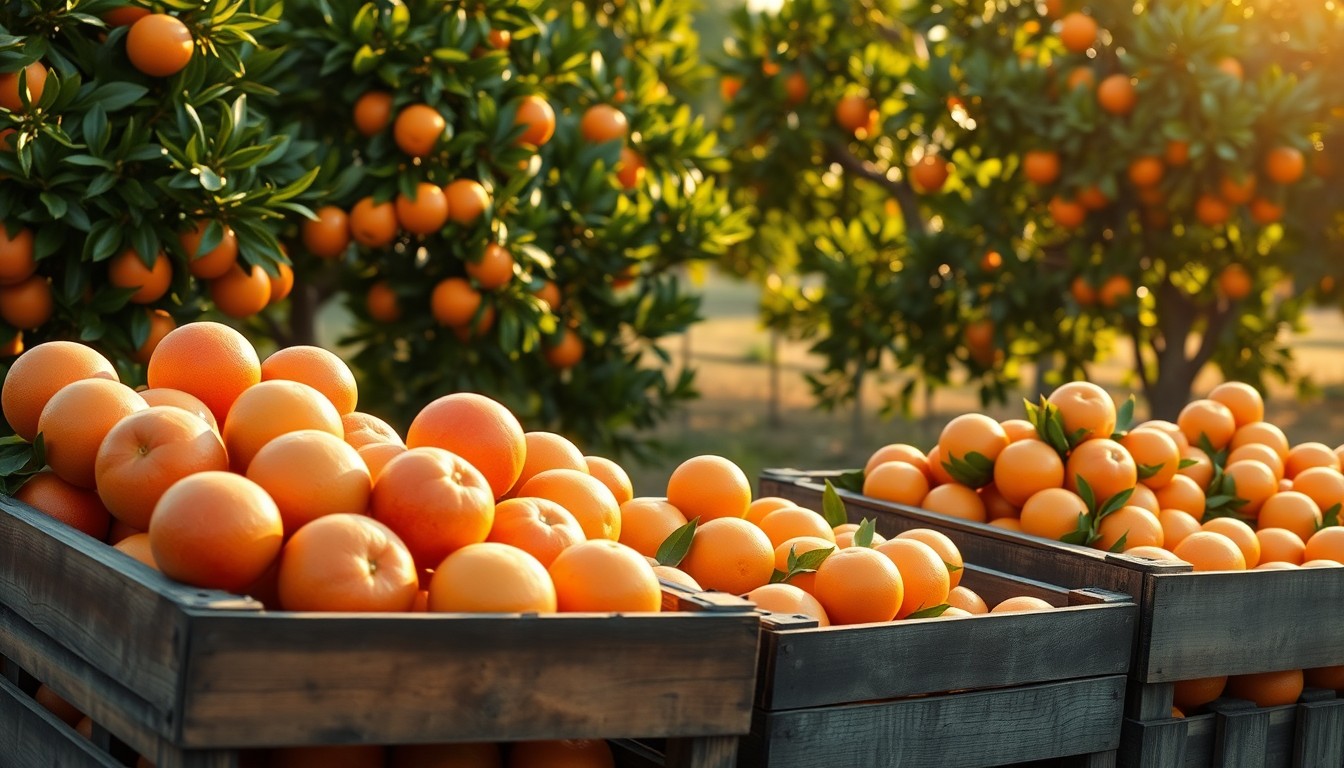
There's also been real money coming back to the ground, though not mainly from the private deal that made headlines. In 2019, Peace River Citrus Products and the Scott Family Companies began planting a quarter-million grapefruit trees on 1,500 acres in Indian River and St. Lucie Counties, with Coca-Cola agreeing to buy the juice and the Japanese flavor company Takasago helping underwrite the trees. Far larger sums have come from the public: hundreds of millions of dollars in state replanting programs and federal hurricane-recovery grants that pay growers by the tree and by the acre to put citrus back in the ground. That public money, more than any single company, is what is funding the new plantings.
As for the "why west" of it, the newer plantings and rootstock trials have concentrated in the flatwoods west of town and around Fellsmere, rather than the historic groves that once lined the barrier island and the immediate lagoon shore. Much of that older eastern grove land has already been sold, developed, or converted to other uses, while land further west stayed in larger, more contiguous agricultural tracts, easier to replant at the scale a modern, disease-tolerant grove requires. Some of the old land is being saved rather than sold: in 2025 Indian River County agreed to buy the former Hale Groves property on U.S. 1 and preserve it as conservation land beside the Indian River Lagoon. What replaces a dead grove, rooftops on one side or protected shoreline on the other, has quietly become its own fight in a county still shaped by citrus.
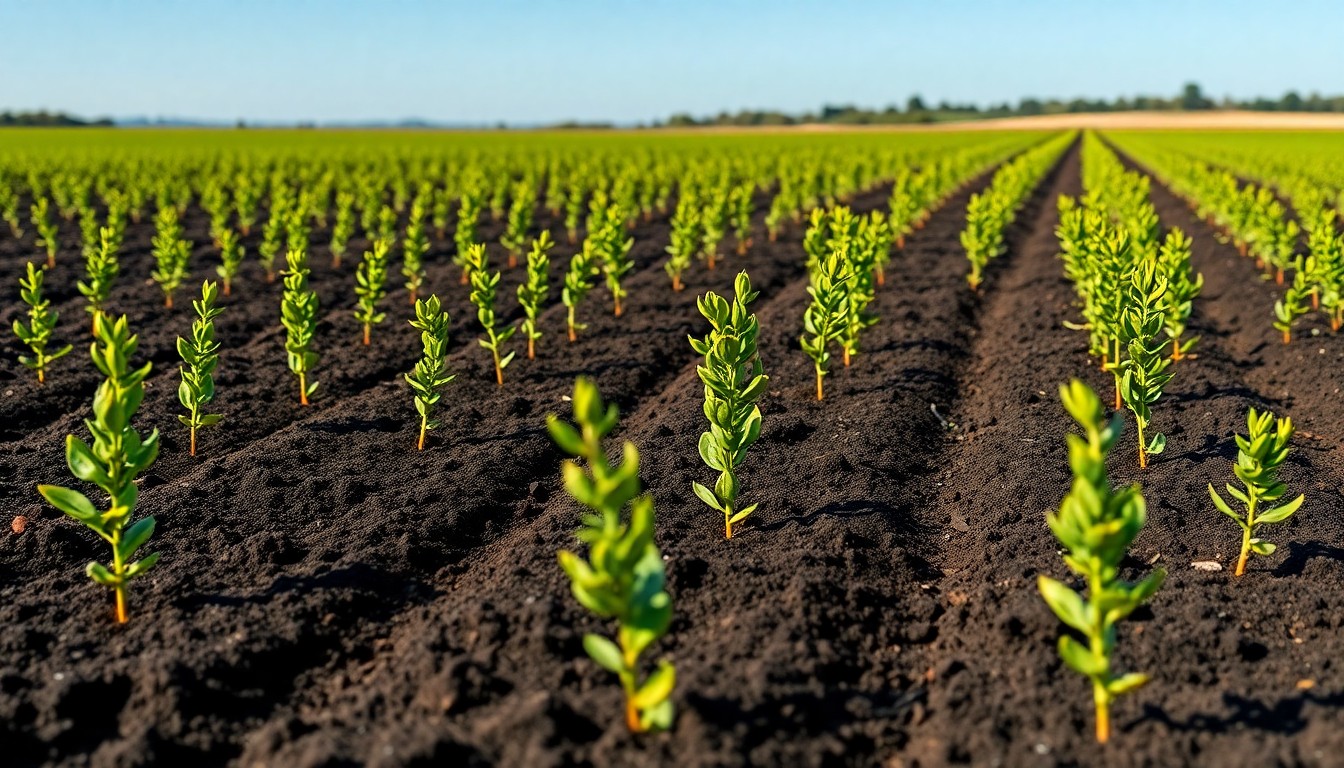
Nobody in the industry is calling this a full recovery. Production is still a small fraction of what it was at the turn of the millennium, the packinghouses that closed aren't reopening, and the national market for juice keeps shrinking. But for the first time since 2005, growers here are doing something they weren't willing to risk for most of the last twenty years: putting new trees in the ground and expecting them to still be standing in twenty more.
Figures in this article come from the USDA National Agricultural Statistics Service, the University of Florida Institute of Food and Agricultural Sciences, the Florida Department of Citrus, and Indian River County records.

My name is Ava Cook and I am a Freshman at Florida Southern College in Lakeland FL. I am currently a B.F.A musical theatre major with a minor in Business Administration. I love reading, singing, acting, dancing, and writing. My favorite part about Vero Beach and Indian River County as a whole is how close the community is. Vero Vine is important to me as it allows me to do my part it bringing the community together also, sharing events, small businesses, and other local happenings. If you have any questions or any recommendations for me, my email is always open [email protected].
- Vero Vine's Photo Contests Are Making a Comeback - October 16, 2026
- How to Add Your Event to Vero Vine, Automagically - October 8, 2026
- Dog-Friendly Parks in Indian River County - October 1, 2026