
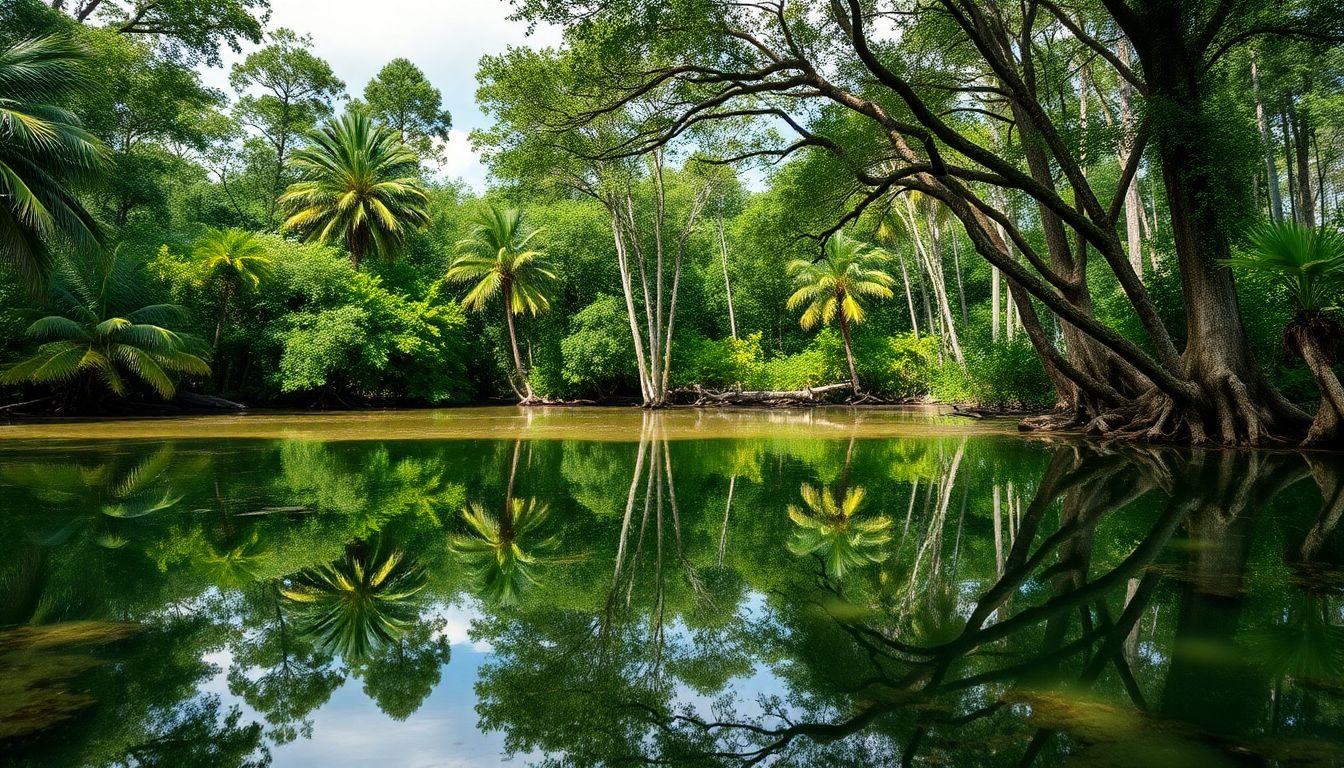
Indian River County: A Natural Treasure
Indian River County, nestled on Florida's Treasure Coast, boasts a remarkable array of natural environments. From the shimmering waters of the Indian River Lagoon to the pristine beaches along the Atlantic Ocean, and the diverse habitats in between, we are incredibly fortunate to live in such a biodiverse region. But with this privilege comes responsibility. Protecting these precious resources is vital for our economy, our quality of life, and the future of our community.
Understanding the Environmental Landscape
Before diving into conservation efforts, it's helpful to understand the key environmental features that define Indian River County:
- The Indian River Lagoon: This 156-mile estuary is one of the most biologically diverse ecosystems in North America. It provides habitat for over 4,000 species of plants and animals, including manatees, dolphins, and a vast array of birds and fish.
- Beaches and Coastal Areas: Our beautiful beaches are not only a tourist attraction but also crucial nesting grounds for sea turtles and shorebirds. They also protect our inland areas from storm surge.
- Uplands and Preserves: Inland, you'll find a mosaic of habitats, including pine flatwoods, scrub, and wetlands. These areas are home to a variety of wildlife, including the Florida scrub-jay, gopher tortoise, and various wading birds.
Threats to Our Environment
Unfortunately, these vital ecosystems face numerous threats:
- Pollution: Runoff from fertilizers, pesticides, and sewage can contaminate the Indian River Lagoon and other waterways, leading to harmful algal blooms and fish kills.
- Habitat Loss: Development and agriculture can destroy or fragment natural habitats, reducing the amount of space available for wildlife.
- Climate Change: Rising sea levels, increased temperatures, and more frequent extreme weather events pose significant challenges to our coastal ecosystems.
- Invasive Species: Non-native plants and animals can outcompete native species and disrupt the natural balance of ecosystems.
Local Conservation Initiatives: Making a Difference
Fortunately, numerous organizations and initiatives are working hard to protect Indian River County's environment. Here are a few examples:
Environmental Learning Center (ELC)
The Environmental Learning Center is a leading organization dedicated to environmental education and conservation. Located on Wabasso Island, the ELC offers a variety of programs for children and adults, including guided nature walks, kayak tours, and educational workshops. They also actively participate in lagoon restoration projects.
Coastal Conservation Association (CCA) Florida - Indian River Chapter
CCA Florida is a non-profit marine conservation organization dedicated to conserving Florida's marine resources and protecting access for recreational anglers. The Indian River Chapter focuses on local issues and participates in habitat restoration projects.
Pelican Island National Wildlife Refuge
As the first National Wildlife Refuge in the United States, Pelican Island plays a vital role in protecting bird populations and other wildlife. The refuge offers opportunities for birdwatching and wildlife viewing.
Indian River Land Trust
The Indian River Land Trust works to conserve natural lands and protect water resources in Indian River County. They acquire and manage conservation easements, ensuring that these lands remain undeveloped and protected for future generations.
What You Can Do: Simple Steps for Environmental Stewardship
You don't have to be a scientist or a conservation expert to make a difference. Here are some simple actions you can take to protect Indian River County's environment:
- Reduce Your Use of Fertilizers and Pesticides: These chemicals can pollute waterways and harm wildlife. Consider using organic gardening methods or native plants that require less maintenance.
- Conserve Water: Water is a precious resource. Take shorter showers, fix leaky faucets, and use water-efficient appliances.
- Properly Dispose of Waste: Never litter or dump trash in natural areas. Recycle whenever possible and dispose of hazardous waste properly.
- Support Local Conservation Organizations: Donate your time or money to organizations like the ELC, CCA Florida, or the Indian River Land Trust.
- Educate Yourself and Others: Learn more about the environmental challenges facing our community and share your knowledge with friends and family.
- Participate in Beach Cleanups: Join a local beach cleanup to remove trash and debris from our beaches and protect sea turtles and other wildlife. Keep an eye on Vero Vine and local social media groups for opportunities.
- Choose Sustainable Seafood: When buying seafood, opt for sustainably harvested species to protect our marine ecosystems.
- Protect Native Plants and Animals: Avoid disturbing native habitats and refrain from introducing non-native species.
- Reduce Your Carbon Footprint: Walk, bike, or carpool whenever possible. Use energy-efficient appliances and reduce your consumption of single-use plastics.
Conclusion: A Shared Responsibility
Protecting the environment is a shared responsibility. By working together, we can ensure that Indian River County remains a beautiful and healthy place for generations to come. Whether it's volunteering at the ELC, reducing your use of fertilizers, or simply picking up trash on the beach, every action counts. Let's all do our part to preserve our slice of paradise.
Stay Informed with Vero Vine
For the latest news, events, and local happenings related to environmental conservation in Indian River County, be sure to check back with Vero Vine regularly. We are committed to keeping you informed and engaged in the efforts to protect our community's natural treasures.
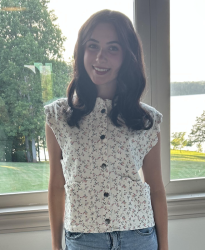
My name is Ava Cook and I am a Freshman at Florida Southern College in Lakeland FL. I am currently a B.F.A musical theatre major with a minor in Business Administration. I love reading, singing, acting, dancing, and writing. My favorite part about Vero Beach and Indian River County as a whole is how close the community is. Vero Vine is important to me as it allows me to do my part it bringing the community together also, sharing events, small businesses, and other local happenings. If you have any questions or any recommendations for me, my email is always open [email protected].
- Vero Vine's Photo Contests Are Making a Comeback - October 16, 2026
- How to Add Your Event to Vero Vine, Automagically - October 8, 2026
- Dog-Friendly Parks in Indian River County - October 1, 2026