
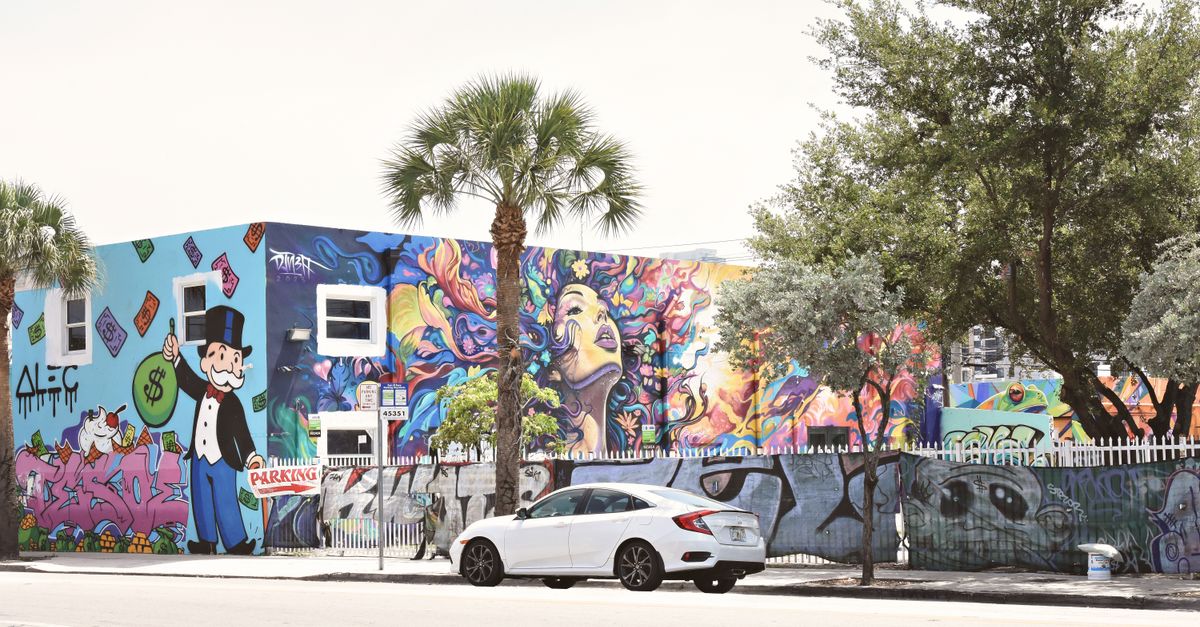
Something about Florida has been pulling artists south for nearly two centuries. John James Audubon came chasing its birds. Winslow Homer kept returning to its light. The Highwaymen made its backroads and marshes into the last great folk-art movement of the century. The question the Vero Beach Museum of Art takes up this season isn't whether this place casts an artistic spell, it's why.
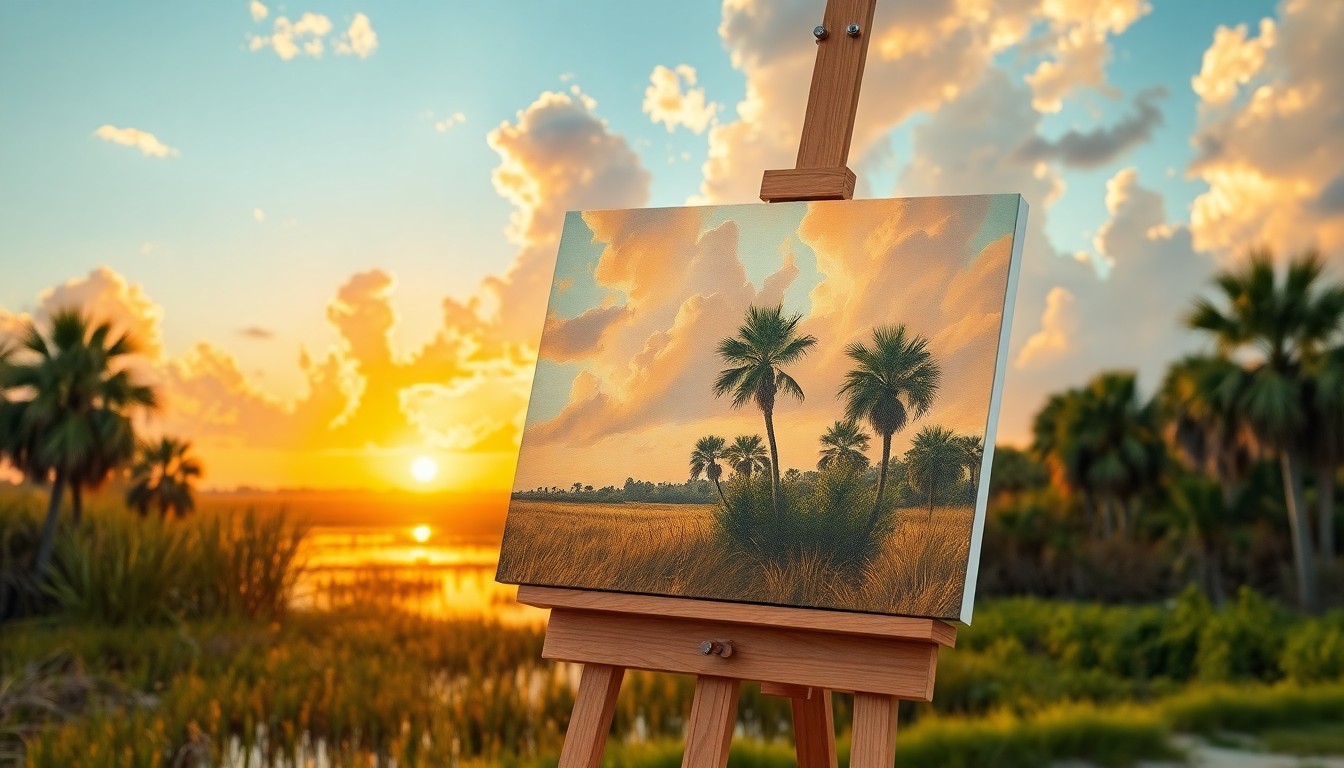
The answer starts, as it often does, with the light. Florida's subtropical sun sits differently in the sky than the light painters knew in the studios of the Northeast. It floods the wetlands, bounces off the water, and saturates color in a way that unsettled and delighted the artists who saw it. The luminist painter Martin Johnson Heade spent years rendering Florida's marshes and its magnolias with an almost holy stillness; George Inness found the same charged atmosphere in the state's interior. Long before them, the naturalist William Bartram had wandered the palmetto scrub and river hammocks and come back describing a wilderness that read like Eden. The landscape gave painters something they couldn't manufacture: strangeness, abundance, and a quality of air.
Audubon arrived in that wilderness in the winter of 1831. He landed at St. Augustine in November and worked his way through northeast Florida before sailing to the Keys the following spring aboard the revenue cutter Marion, reaching Indian Key and Key West. Florida overwhelmed him, he wrote of his heart swelling "with uncontrollable delight", and it fed his masterwork. He encountered dozens of birds new to him here and drew many of them into The Birds of America: the Roseate Spoonbill with its impossible pink, the Brown Pelican, the Great White Heron, the Whooping Crane, the Glossy Ibis. Some of the plates collectors treasure most were born from a few hard months on this coast.
Others came for reasons harder to name. Harriet Beecher Stowe, already world-famous, wintered for years in Mandarin on the St. Johns River and in 1873 published Palmetto Leaves, a book of sketches so beguiling it helped launch Florida's first tourist boom, proof the state could seduce a writer as easily as a painter. Winslow Homer began coming south in the mid-1880s, and in 1904, over about a month in Homosassa, produced a run of watercolors that count among his finest, jungle rivers, leaping bass, palms, all built on the trick of leaving the white paper bare to stand for tropical sunlight.
And then there are the Highwaymen, twenty-six Black artists from Fort Pierce who painted this very stretch of coastline. Beginning in the late 1950s, mentored by the white Fort Pierce landscapist A.E. "Beanie" Backus, painters like Harold Newton and Alfred Hair turned out fast, luminous scenes of poincianas, moonlit surf, and windblown palms, by the tens of thousands. Shut out of galleries under segregation, they sold their work from car trunks along U.S. 1 and A1A, and what began as an economic workaround became, in hindsight, one of the most important art movements the state has produced. Florida inducted them into its Artists Hall of Fame in 2004.
That long arc, from Audubon's birds to the Highwaymen's roadside sunsets, is exactly the ground the Vero Beach Museum of Art's "Picturing Paradise" lecture covers, with University of Central Florida art historian Dr. Keri Watson tracing why generation after generation of artists kept pointing their easels at this improbable peninsula. Details and registration are available at vbmuseum.org.
My name is Ava Cook and I am a Freshman at Florida Southern College in Lakeland FL. I am currently a B.F.A musical theatre major with a minor in Business Administration. I love reading, singing, acting, dancing, and writing. My favorite part about Vero Beach and Indian River County as a whole is how close the community is. Vero Vine is important to me as it allows me to do my part it bringing the community together also, sharing events, small businesses, and other local happenings. If you have any questions or any recommendations for me, my email is always open [email protected].
- Vero Vine's Photo Contests Are Making a Comeback - October 16, 2026
- How to Add Your Event to Vero Vine, Automagically - October 8, 2026
- Dog-Friendly Parks in Indian River County - October 1, 2026