

On July 31, 1715, a hurricane sank eleven Spanish ships carrying gold and silver along Florida's east coast, including the waters off present-day Vero Beach. The wreck gave this 70-mile stretch of coastline its name: the Treasure Coast.
The wreck
The ships were a combined fleet, the Nueva España Fleet under Captain-General Juan Esteban de Ubilla and the Tierra Firme Fleet under Antonio de Echeverz y Zubiza, sailing home to Spain seven days out of Havana when the hurricane hit at 2 a.m. All eleven ships were lost. A twelfth ship, the French frigate Le Grifon, stayed farther out to sea and made it home safely. Roughly 1,500 sailors died, according to Cuban records.
Within months, the pirates Henry Jennings and Charles Vane raided the Spanish salvage camp near what is now Vero Beach and made off with an estimated 87,500 British pounds in gold and silver, a real pirate gold story that predates any legend.
Still being found today
Treasure hunter Kip Wagner found the first pieces of the fleet's cargo in 1961 and spent the rest of the decade recovering gold, silver and artifacts, later writing the 1966 book "Pieces of Eight." Today, 1715 Fleet - Queens Jewels LLC holds the state salvage rights. On July 31, 2015, the 300th anniversary of the wreck, the company's divers found $4.5 million in gold coins off Vero Beach at the site known as the Corrigans wreck. In October 2025, the same crew recovered more than $1 million in silver and gold coins and artifacts. Historians believe most of the fleet's treasure is still on the ocean floor.
See it for yourself
The McLarty Treasure Museum sits on the old salvage camp site inside Sebastian Inlet State Park, about 20 minutes north of Vero Beach. It is open daily from 10 a.m. to 4 p.m., admission is $2 for ages 6 and up, and the gift shop sells replica coins from the fleet. Under Florida law, treasure found on state land or in state waters belongs to the state, so a real find has to go through the permitted salvage company and the courts, not a weekend metal detector. Pieces do occasionally wash up on area beaches after storms, especially around Wabasso, which is part of what keeps treasure hunters coming back.
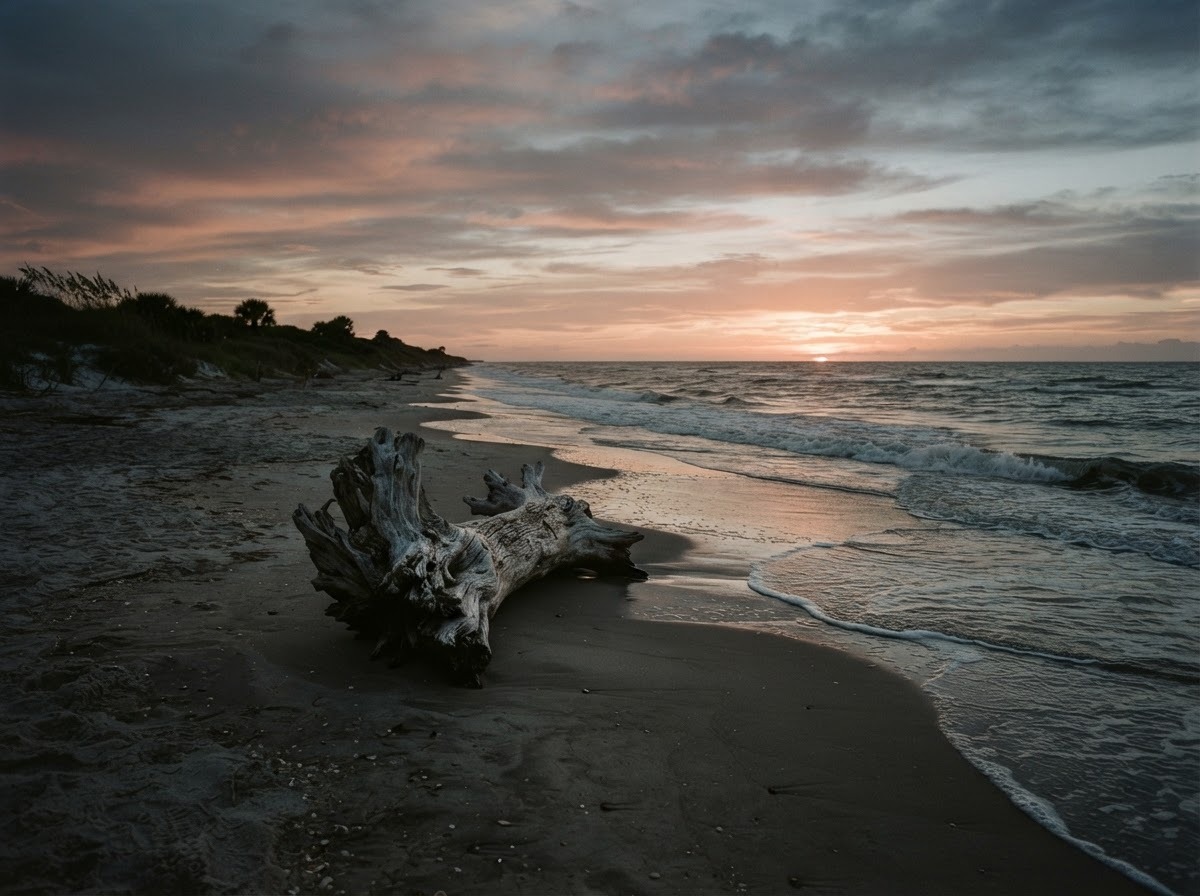
It is also, fittingly, a reason to get out on the water. A sunset sail or a lagoon charter out of Vero Beach puts you on the same stretch of ocean where, three centuries ago, a fleet of gold-laden galleons went down in a storm.
Sources: Wikipedia, "1715 Treasure Fleet" (citing the Associated Press and CBS News); Florida State Parks, Sebastian Inlet State Park; McLarty Treasure Museum.
My name is Ava Cook and I am a Freshman at Florida Southern College in Lakeland FL. I am currently a B.F.A musical theatre major with a minor in Business Administration. I love reading, singing, acting, dancing, and writing. My favorite part about Vero Beach and Indian River County as a whole is how close the community is. Vero Vine is important to me as it allows me to do my part it bringing the community together also, sharing events, small businesses, and other local happenings. If you have any questions or any recommendations for me, my email is always open [email protected].
- Set Sail: Where to Charter a Boat on the Indian River Lagoon - November 19, 2026
- The Treasure Coast Got Its Name From a 1715 Shipwreck Off Vero Beach - November 19, 2026
- Vero's New Sailing Center Is Rising by the 17th Street Bridge - November 14, 2026
See everything happening around Vero in our weekly issue.
Read the latest full issue